

Dental emergencies can happen suddenly. A tooth may break while you are eating, an old filling or crown may come loose, or you may wake up with severe tooth pain that was not there the day before. Knowing what to do can help you stay calm, protect your teeth, and get the care you need as quickly as possible.
Not every dental problem requires immediate treatment, but some situations should be evaluated promptly. When in doubt, it is better to contact your dentist and describe your symptoms rather than waiting for the problem to get worse.
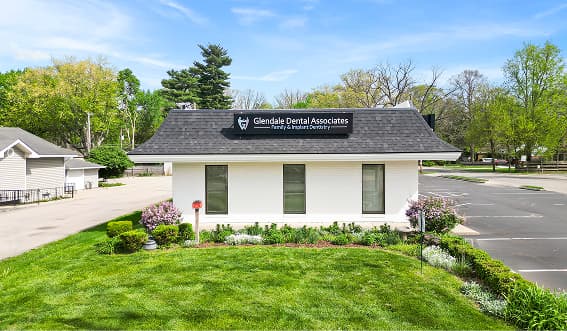
At Glendale Dental Associates in Indianapolis, IN, patients can receive same-day emergency dental care for urgent dental concerns. With more than 20 years of experience serving the Indianapolis community, our team has the experience to handle a wide range of dental problems and completes much of its restorative work in-house, including crowns. This allows our practice to provide comprehensive care while maintaining close control over the quality and details of treatment.
What Is Considered a Dental Emergency?
 A dental emergency generally involves significant pain, injury, infection, or damage to a tooth that requires prompt attention.
Common dental emergencies can include:
- A knocked-out permanent tooth
- A cracked or broken tooth
- Severe or persistent tooth pain
- Significant swelling around a tooth or gums
- A dental abscess or suspected infection
- A tooth that has become loose after an injury
- A lost or damaged dental crown, bridge, or filling
- An injury to the mouth or teeth
- Bleeding that does not stop with gentle pressure
- Sudden, severe sensitivity or pain
Some dental problems may not be emergencies but still deserve timely attention.
For example, a small chip without pain may not require same-day treatment, but having it evaluated can help prevent additional damage.
If you are unsure whether your situation is urgent, call your dental office. Your dental team can help you determine how quickly you should be seen.
What Should I Do If I Have a Dental Emergency?
The most important thing is to contact your dentist as soon as possible.
Explain what happened, when it happened, and what symptoms you are experiencing. If you have an injury, let the dental team know whether you have swelling, bleeding, pain, or damage to one or more teeth.
While you are waiting to be seen, there are several steps you can take to protect your mouth.
Rinse Your Mouth Gently
If you have injured your mouth or broken a tooth, gently rinse with water to remove blood, food, or debris.
Avoid vigorous rinsing if you have experienced significant trauma.
Protect the Affected Tooth
Try not to chew on the affected side of your mouth. Hard, sticky, very hot, or very cold foods may make pain or sensitivity worse.
If a piece of your tooth has broken off, save it and bring it with you to your dental appointment.
Apply a Cold Compress
If you have swelling following an injury, a cold compress applied to the outside of your cheek can help reduce swelling and discomfort.
Use the compress for short intervals rather than applying ice directly to your skin.
Don’t Try to Repair the Tooth Yourself
It may be tempting to glue a crown back onto a tooth or attempt another DIY repair. Avoid using household glue or permanent adhesives in your mouth.
A temporary fix that seems convenient could damage the tooth or surrounding tissues and make professional treatment more difficult.
Instead, save the restoration or broken tooth fragment and contact your dentist.
What Should I Do If a Tooth Is Knocked Out?
A knocked-out permanent tooth is a dental emergency. If this happens, seek dental care immediately.
If you can find the tooth, handle it carefully by the crown—the portion that is normally visible above the gumline. Avoid touching the root and do not scrub the tooth.
Contact your dentist right away for instructions on how to preserve the tooth while you make your way to the office. Acting quickly can be important when attempting to save a knocked-out permanent tooth.
If the tooth was knocked out because of a significant accident, also pay attention to signs of a more serious injury. Severe facial trauma, loss of consciousness, uncontrolled bleeding, or difficulty breathing may require emergency medical attention.
What If I Crack or Break a Tooth?
A cracked or broken tooth should be evaluated by a dentist, particularly if you are experiencing pain or sensitivity.
The treatment you need depends on the extent and location of the damage. A minor chip may require relatively simple repair, while a more significant fracture could require a crown or other restorative treatment.
In some cases, damage may extend into the inner portion of the tooth and require root canal treatment before the tooth can be restored.
The sooner a broken tooth is evaluated, the sooner your dentist can determine how to protect the remaining tooth structure.
At Glendale Dental Associates, much of the practice’s restorative dentistry is completed in-house, including dental crowns. This allows our team to maintain greater control over the quality and details of your restorative care.
What If I Have Severe Tooth Pain?
A severe toothache should not be ignored, even if you cannot see anything obviously wrong with the tooth.
Tooth pain can have many possible causes, including:
- Tooth decay
- A cracked or fractured tooth
- An infection
- Inflammation inside the tooth
- A damaged filling or crown
- Gum or periodontal problems
- Trauma
Some dental problems can worsen even when symptoms temporarily improve. For example, an infection may not always cause continuous pain.
If you have severe, persistent, or worsening tooth pain, contact your dentist and ask about an emergency appointment.
What If My Face or Gums Are Swollen?
Swelling around a tooth or gums can be a sign of infection and should be evaluated promptly.
Contact your dentist if you notice significant or increasing swelling, particularly when it is accompanied by pain, tenderness, a bad taste or drainage, fever, or other signs of infection.
However, swelling that makes it difficult to breathe or swallow, or severe swelling that is spreading through the face or neck, can be a medical emergency. In that situation, seek emergency medical care immediately.
Should I Go to the Emergency Room or the Dentist?
A dental office is generally the appropriate place to start for an urgent problem involving your teeth, gums, or dental restorations.
A dentist can evaluate the source of tooth pain, repair a damaged tooth, treat certain dental infections, and determine whether additional restorative care is needed.
However, some injuries go beyond a dental emergency. If you have significant facial trauma, uncontrolled bleeding, difficulty breathing or swallowing, loss of consciousness, or another potentially serious medical concern, seek emergency medical attention.
When you are unsure, do not hesitate to ask for help determining the appropriate level of care.
Why Is Same-Day Emergency Dental Care Important?
When you have a dental emergency, waiting several days for an appointment may not be ideal.
Prompt evaluation can allow your dentist to determine the cause of your symptoms, relieve discomfort, and begin treatment before the problem progresses.
Same-day care can be especially helpful for situations such as a broken tooth, severe toothache, damaged restoration, or dental injury.
At Glendale Dental Associates, we offer same-day emergency dental care, allowing Indianapolis patients to contact the office when an urgent dental concern occurs rather than waiting for a routine appointment.
What Happens During an Emergency Dental Appointment?
Your appointment will begin with an evaluation of the affected area.
Your dentist may ask:
- When did the problem begin?
- Did an accident or injury cause it?
- How severe is the pain?
- Is the pain constant or intermittent?
- Are you experiencing swelling or sensitivity?
- Has the tooth received previous dental treatment?
Depending on the situation, your dentist may also take dental X-rays or use other diagnostic tools to determine what is happening beneath the surface. Once the cause is identified, our team can explain your treatment options.
Emergency treatment may include repairing a damaged tooth, replacing a restoration, treating an infection, performing root canal therapy, or removing a tooth that cannot be saved. In other cases, emergency care may involve stabilizing the problem and scheduling additional restorative treatment.
The immediate goal is to address the urgent concern while also protecting your long-term oral health.
Can a Damaged Tooth Be Saved?
In many cases, a damaged tooth can be repaired, but the answer depends on the type and extent of the damage.
A cracked or broken tooth may be restored with a filling, bonding, crown, or another treatment. A tooth with an infection may require root canal therapy before it can be restored.
Saving a natural tooth is often preferable when it is structurally and biologically possible, which is why prompt evaluation matters. Waiting after an injury or ignoring ongoing pain can sometimes allow damage or infection to progress, potentially limiting your treatment options.
What If My Crown or Filling Falls Out?
A lost filling or crown is not always a life-threatening emergency, but it should still be addressed.
Save the restoration and contact your dentist. Until you can be seen, avoid chewing on that side and be careful with very hot or cold foods and beverages if the exposed tooth is sensitive.
Do not attempt to permanently reattach the restoration yourself.
If the underlying tooth is still healthy and the restoration is intact and fits properly, your dentist may determine that it can be repaired or replaced. If the tooth has developed additional decay or damage, you may need a new restoration or other treatment.
Because Glendale Dental Associates completes much of its restorative work in-house, including crowns, our team can continue care through the restorative process while maintaining close control over the details of treatment.
Do I Need Follow-Up Care After an Emergency?
Sometimes emergency treatment is only the first step.
For example, your dentist may place a temporary restoration until a permanent crown can be completed. A tooth that has been stabilized after an injury may need to be monitored. If an infection has been treated, additional restorative care may be necessary to protect the tooth.
Before leaving your emergency appointment, make sure you understand:
- What caused the problem
- What treatment was completed
- Whether you need another appointment
- How to care for the area at home
- What symptoms should prompt you to call again
- When you can return to your normal eating and oral hygiene routine
Following through with recommended care can help prevent the original problem from becoming a recurring one.
How Can I Prevent Dental Emergencies?
Not every dental emergency can be prevented, but a few habits can help reduce your risk.
Protect your teeth during sports. A properly fitted mouthguard can help protect your teeth from impact.
Do not use your teeth as tools. Opening packages, cutting objects, or biting hard materials can lead to chips and fractures.
Avoid chewing ice and extremely hard objects. These habits can put excessive force on your teeth.
Take care of your restorations. Crowns, bridges, fillings, and other dental work still need regular care.
Keep up with routine dental visits. Regular examinations allow your dentist to identify cavities, cracks, worn restorations, and other concerns before they become emergencies.
Address dental problems early. A small cavity or minor tooth sensitivity may be easier to treat before it develops into significant pain or infection.
Keep Your Dentist’s Information Handy
Hopefully, you will not need emergency dental care anytime soon. But having a plan can make an unexpected situation much less stressful.
Keep your dental office’s phone number somewhere easy to access, and know whether the practice offers same-day emergency appointments. If you experience a dental injury or sudden severe pain, you will know who to call instead of having to search for a provider while you are already dealing with discomfort.
And remember: you do not have to determine whether something is a true dental emergency on your own. If you are concerned about a tooth or your oral health, call your dentist and explain what is happening.
Get Same-Day Emergency Dental Care in Indianapolis
A broken tooth, severe toothache, knocked-out tooth, swelling, or damaged restoration can be stressful, but prompt dental care can help protect your smile and get you back to feeling comfortable.
At Glendale Dental Associates, our team has more than 20 years of experience serving the Indianapolis community and provides same-day emergency care for urgent dental concerns. Our practice also completes the majority of restorative work in-house, including dental crowns, giving our team greater control over the quality and details of your care.
If you are experiencing a dental emergency, contact Glendale Dental Associates to find out whether you can be seen the same day. Getting prompt attention can make all the difference when you need your smile back on track.


